Ancient botanicals · Modern intimacyComplimentary shipping on orders over $75The ritual begins before the momentPair Tantra + Alpha in the Ritual PairSmall batch · Independently tested by lotAncient botanicals · Modern intimacyComplimentary shipping on orders over $75The ritual begins before the momentPair Tantra + Alpha in the Ritual PairSmall batch · Independently tested by lot
Akasha

The Akasha Compendium

Botanical Encyclopedia

One entry per plant, and everything else on this site refers back to it — classification, origin, the modern scientific perspective, constituents, safety and the citations behind them.

Kind
Tradition & topic

20 entries

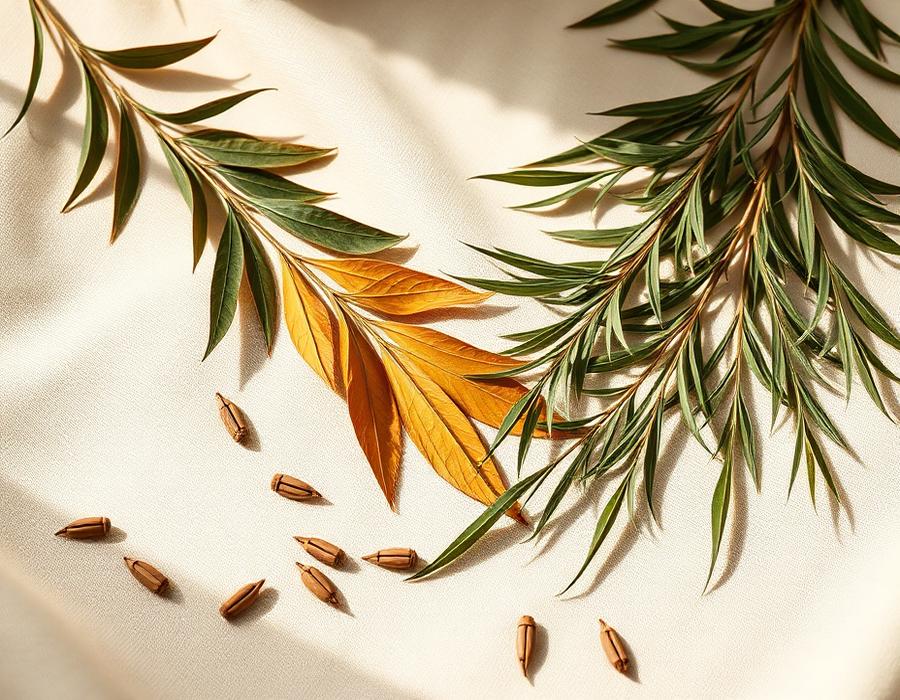
Senna Leaf (Senna alexandrina)
Fabaceae family

Senna Leaf

Senna alexandrina

Botanical

A desert shrub documented in Arabic herbal medicine since the ninth century, whose leaflets contain the well-studied sennosides.

EvidenceEstablished human evidence
Part usedLeaflet
OriginNile valley, Arabian peninsula, Sudan
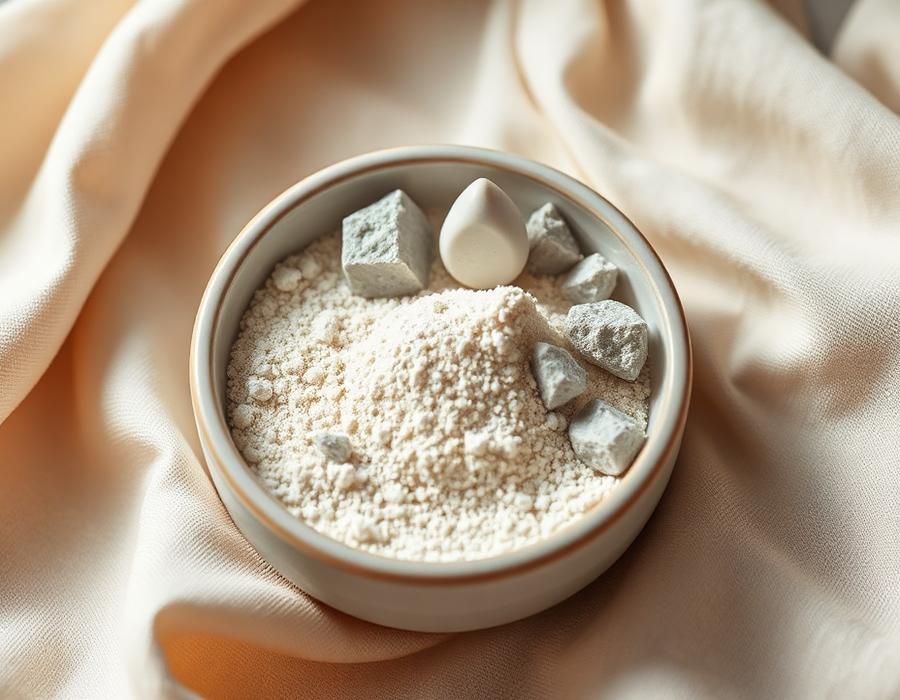
Zeolite (Clinoptilolite) (Clinoptilolite)
Mineral class

Zeolite (Clinoptilolite)

Clinoptilolite

Mineral

A crystalline aluminosilicate formed where volcanic ash meets seawater, whose honeycomb lattice carries a natural negative charge.

EvidencePreclinical research
Part usedCrystalline mineral
OriginVolcanic sedimentary deposits worldwide
Ashwagandha (Withania somnifera)
Solanaceae family

Ashwagandha

Withania somnifera

Botanical

A small shrub of the nightshade family whose root has been prepared in Ayurvedic practice as a grounding tonic for at least two millennia.

EvidenceEmerging human evidence
Part usedRoot
OriginIndia, Middle East, parts of Africa
Black Maca (Lepidium meyenii Walp. (black phenotype))
Brassicaceae family

Black Maca

Lepidium meyenii Walp. (black phenotype)

Botanical

For centuries, Black Maca has thrived in the challenging, high-altitude landscapes of the Peruvian Andes, cultivated as both a nourishing food and a respected botanical, adapted to extreme temperatures, intense sunlight and mineral-rich volcanic soils.

EvidenceEmerging human evidence
Part usedRoot
OriginPeruvian Andes
Rhodiola (Rhodiola rosea)
Crassulaceae family

Rhodiola

Rhodiola rosea

Botanical

A succulent of cold northern latitudes, gathered in Scandinavia and Siberia and studied since the mid-twentieth century.

EvidenceEmerging human evidence
Part usedRoot
OriginArctic and alpine Europe, Siberia
Eleuthero (Eleutherococcus senticosus)
Araliaceae family

Eleuthero

Eleutherococcus senticosus

Botanical

A thorny shrub of the ginseng family, distinct from Panax, long used in Siberian and north-east Asian practice.

EvidenceTraditional use
Part usedRoot and rhizome
OriginEastern Siberia, north-eastern China, Korea, Japan
Tribulus (Tribulus terrestris)
Zygophyllaceae family

Tribulus

Tribulus terrestris

Botanical

A low-growing annual of dry ground, present in both Ayurvedic and traditional Chinese materia medica.

EvidencePreclinical research
Part usedAerial parts and fruit
OriginMediterranean basin, South Asia, Africa
Damiana (Turnera diffusa)
Passifloraceae family

Damiana

Turnera diffusa

Botanical

An aromatic shrub of Central America whose leaves have been infused as a tea in Mexican and Caribbean practice for centuries.

EvidenceTraditional use
Part usedLeaf
OriginMexico, Central America, the Caribbean
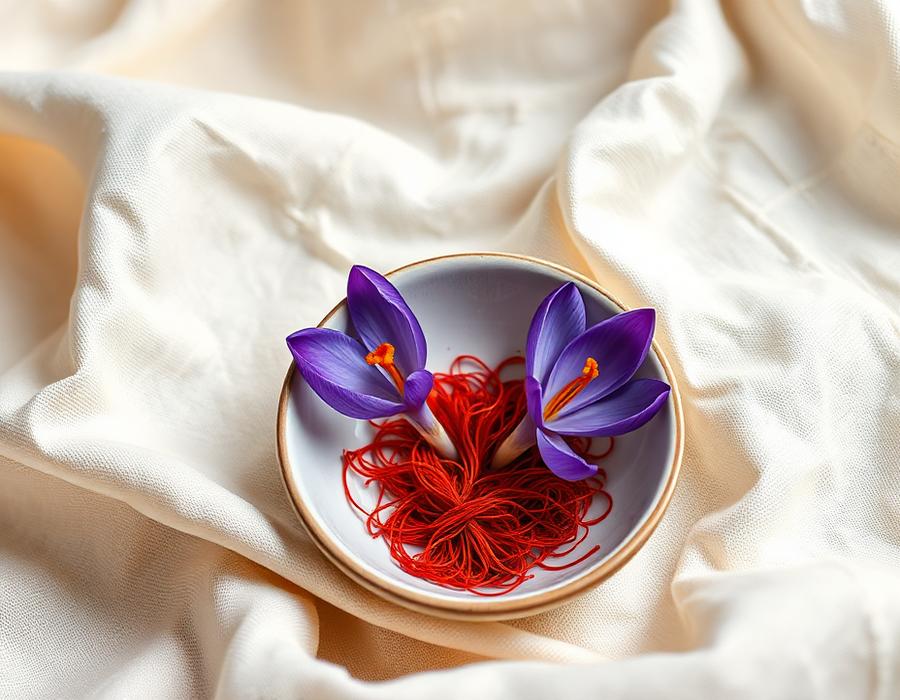
Saffron (Crocus sativus)
Iridaceae family

Saffron

Crocus sativus

Botanical

The hand-picked stigma of an autumn crocus, the most labour-intensive spice in the world and a subject of growing clinical interest.

EvidenceEstablished human evidence
Part usedStigma
OriginIran, Kashmir, Mediterranean
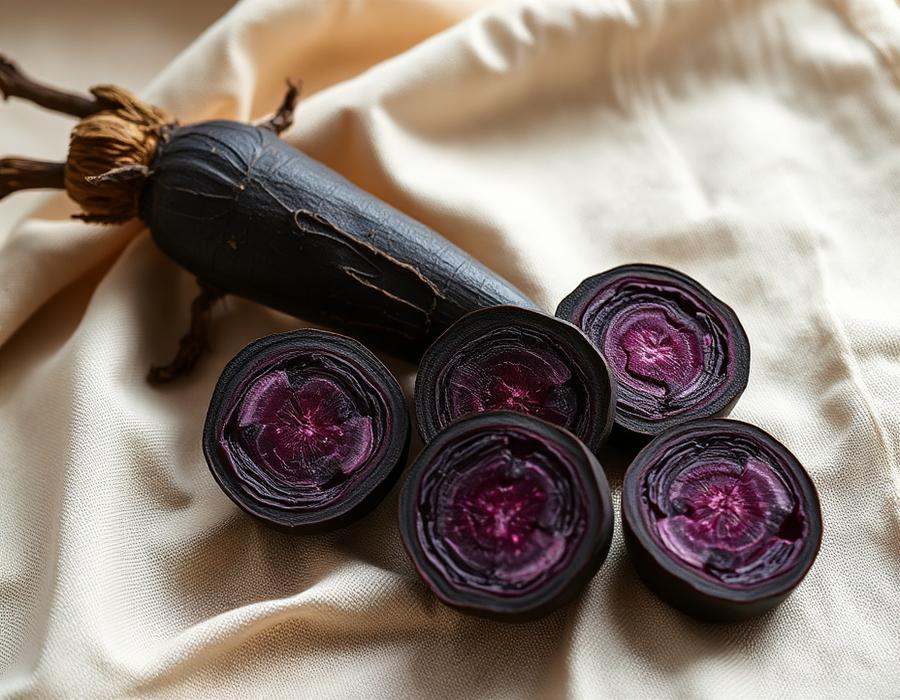
Black Ginger (Kaempferia parviflora Wall. ex Baker)
Zingiberaceae family

Black Ginger

Kaempferia parviflora Wall. ex Baker

Botanical

Black Ginger, also known as Thai Black Ginger, develops a deep purple-black rhizome rich in naturally occurring flavonoids, and has long been incorporated into traditional Thai wellness practices.

EvidenceEmerging human evidence
Part usedRhizome
OriginThailand and Southeast Asia
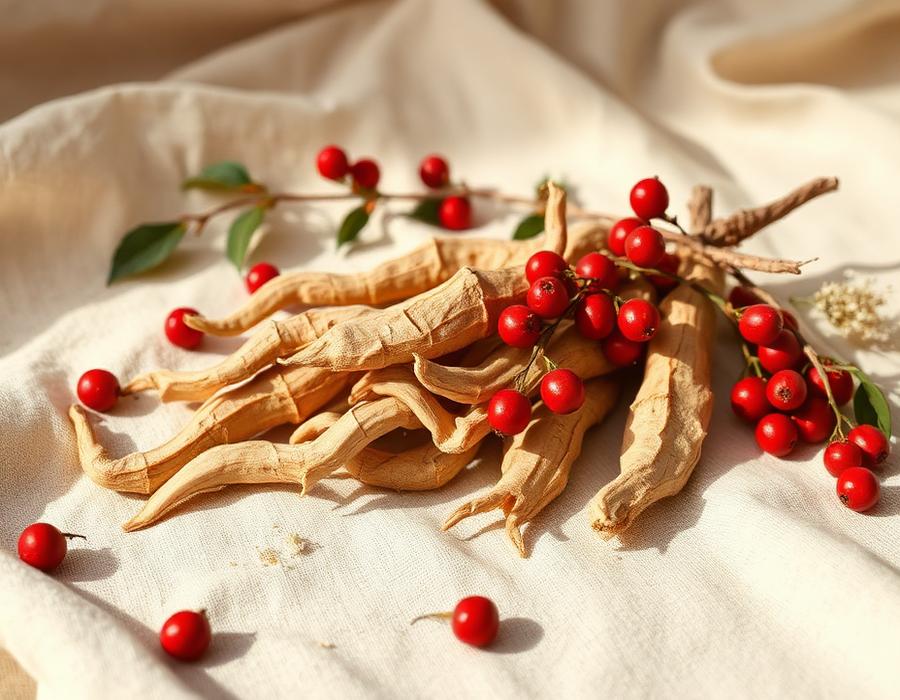
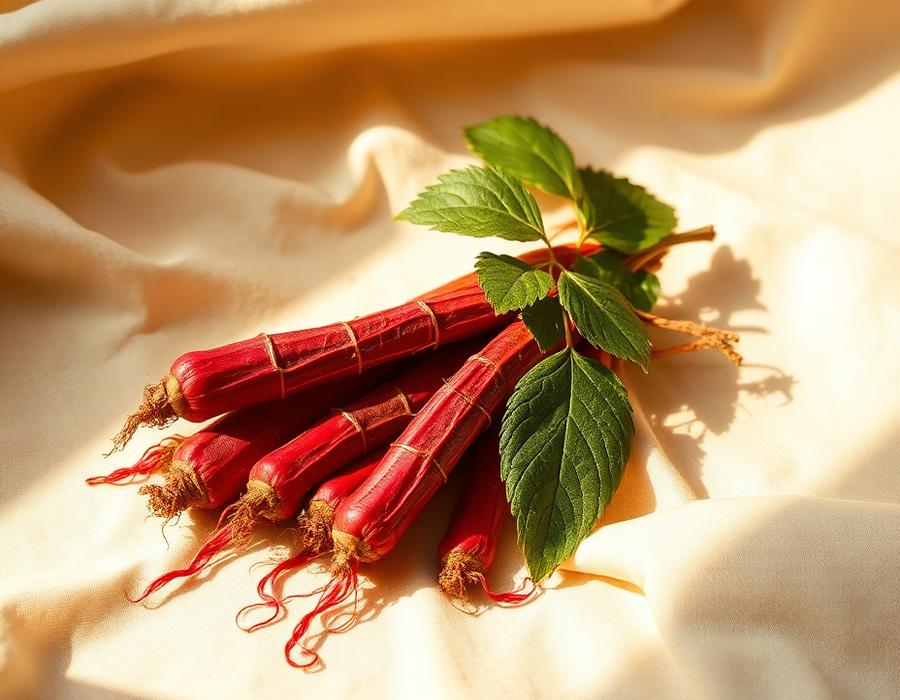
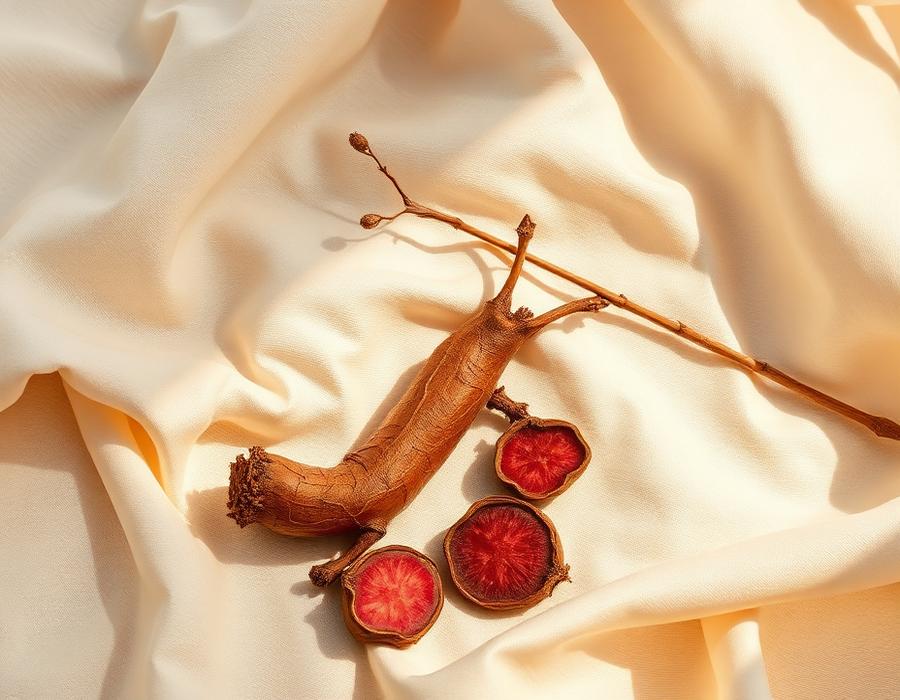
Red Ginseng (Panax ginseng C.A. Meyer)
Araliaceae family

Red Ginseng

Panax ginseng C.A. Meyer

Botanical

Red Ginseng is created through a steaming and drying process that transforms the root's appearance and phytochemical profile, resulting in a botanical rich in naturally occurring ginsenosides.

EvidenceEstablished human evidence
Part usedRoot
OriginKorea, north-eastern China, eastern Russia
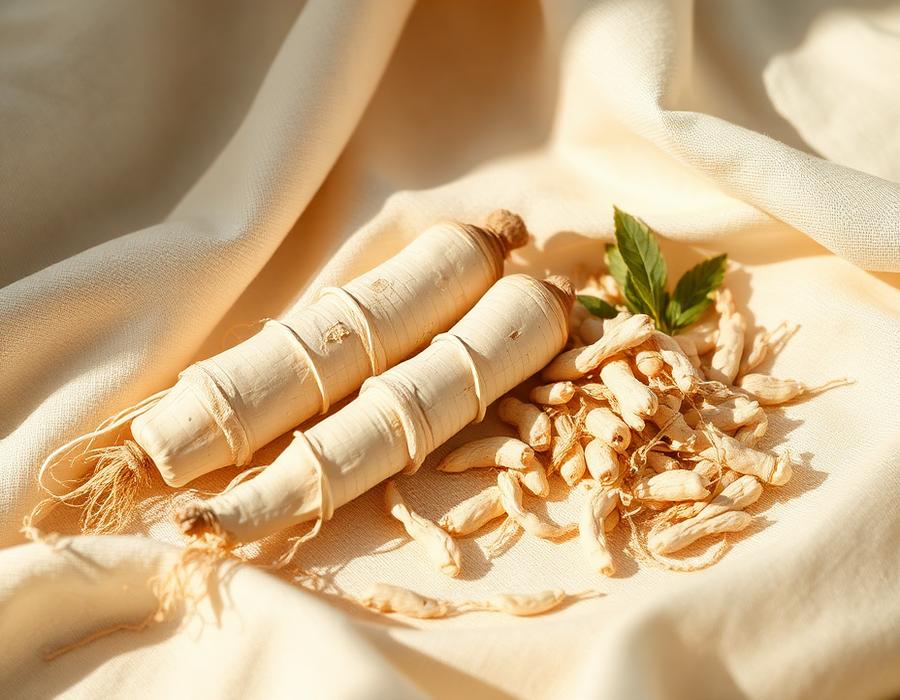
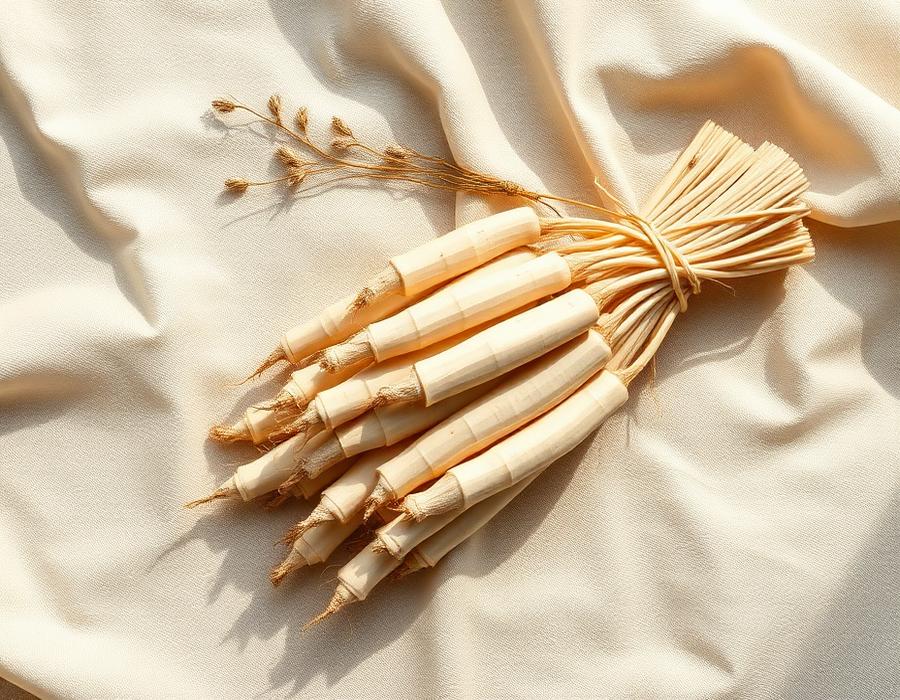
White Ginseng (Panax ginseng C.A. Meyer)
Araliaceae family

White Ginseng

Panax ginseng C.A. Meyer

Botanical

White Ginseng is the mature root gently cleaned and naturally dried, preserving its original botanical character without the steaming process used for Red Ginseng.

EvidenceEstablished human evidence
Part usedRoot
OriginKorea, north-eastern China, eastern Russia
Butea Superba (Butea superba Roxb.)
Fabaceae family

Butea Superba

Butea superba Roxb.

Botanical

A climbing botanical with a large underground root system, respected within traditional Thai herbal practices for generations. Less internationally known, it is attracting growing scientific interest.

EvidencePreclinical research
Part usedRoot
OriginThailand, Laos, Cambodia, Southeast Asia
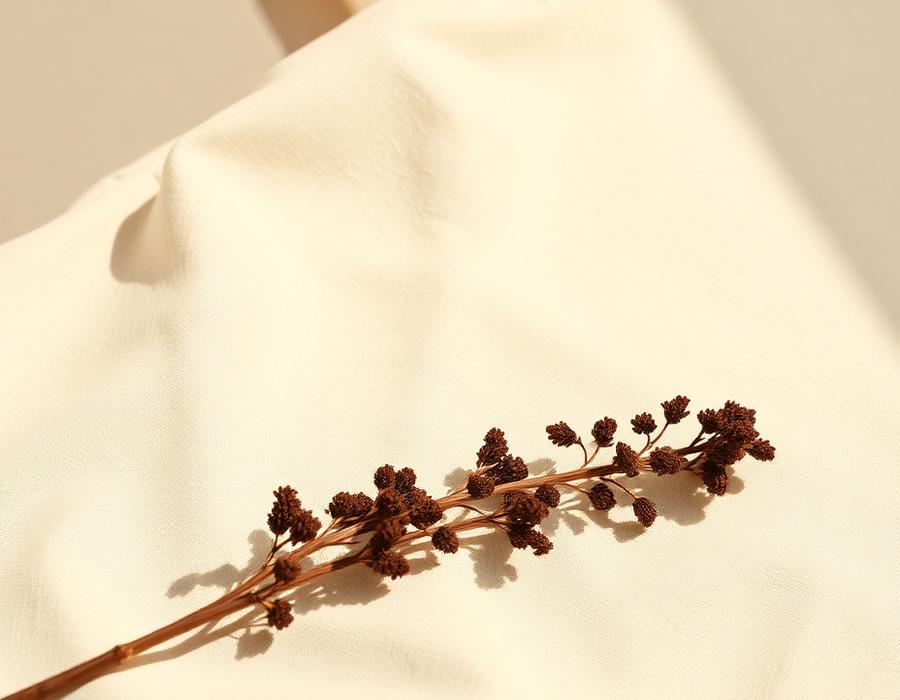
Cynomorium (Cynomorium songaricum Rupr.)
Cynomoriaceae family

Cynomorium

Cynomorium songaricum Rupr.

Botanical

Also called Desert Thumb or Suo Yang, Cynomorium is a parasitic flowering plant with no chlorophyll that draws nutrients from the roots of neighbouring desert vegetation, growing in some of the harshest desert environments on earth.

EvidencePreclinical research
Part usedFleshy stem
OriginChina, Mongolia, Central Asia, Middle East
Safed Musli (Chlorophytum borivilianum Santapau & R.R. Fern.)
Asparagaceae family

Safed Musli

Chlorophytum borivilianum Santapau & R.R. Fern.

Botanical

A nourishing root celebrated in the Ayurvedic tradition, native to Indian forests and grasslands and cultivated and respected for generations.

EvidencePreclinical research
Part usedRoot
OriginIndia
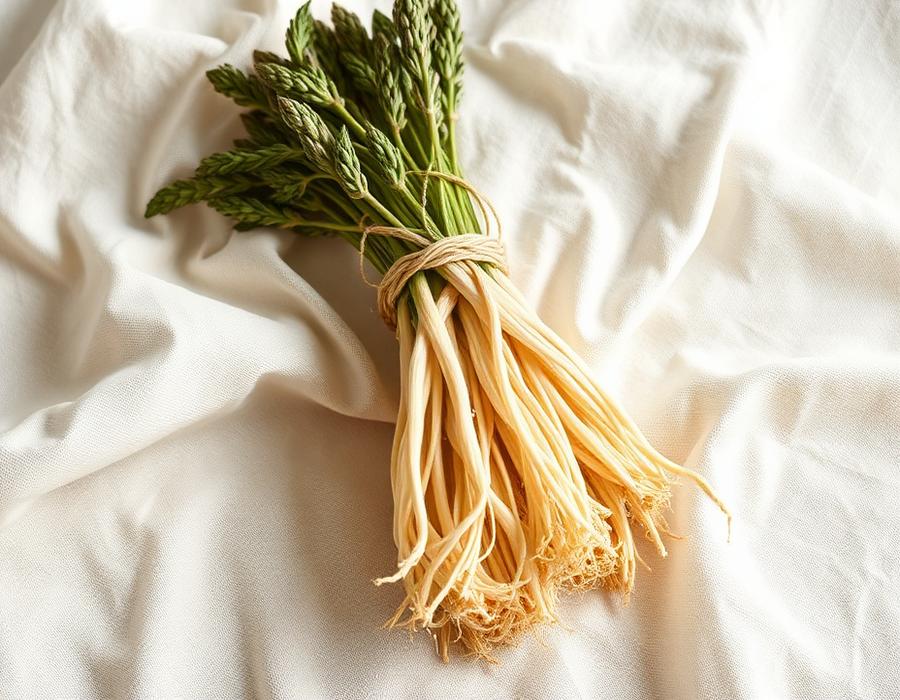
Shatavari (Asparagus racemosus Willd.)
Asparagaceae family

Shatavari

Asparagus racemosus Willd.

Botanical

A graceful climbing plant regarded as one of Ayurveda's most respected roots. Its Sanskrit name translates as "she who possesses one hundred roots", reflecting abundance and vitality.

EvidenceEmerging human evidence
Part usedRoot
OriginIndia, Nepal, Sri Lanka, Himalayan foothills
Brahmi (Bacopa monnieri (L.) Wettst.)
Plantaginaceae family

Brahmi

Bacopa monnieri (L.) Wettst.

Botanical

Brahmi grows along rivers, ponds and wetlands and is named after Brahma. Associated with wisdom, learning and mindful living, it is among the most researched Ayurvedic botanicals.

EvidenceEstablished human evidence
Part usedWhole plant (aerial parts)
OriginIndia, Southeast Asia, Australia and wetland regions worldwide
Acerola Cherry (Malpighia emarginata DC.)
Malpighiaceae family

Acerola Cherry

Malpighia emarginata DC.

Botanical

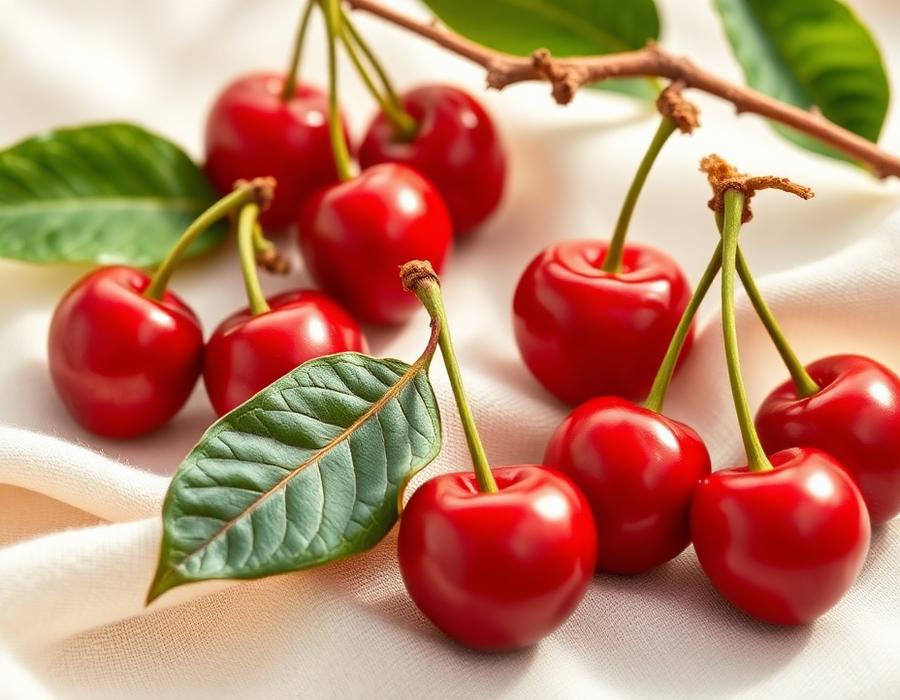
Also known as Barbados Cherry or West Indian Cherry, this small crimson fruit is one of nature's richest natural sources of vitamin C, alongside polyphenols, carotenoids, anthocyanins and other phytonutrients held within a natural whole-food matrix.

EvidenceEstablished human evidence
Part usedFruit
OriginCaribbean, Central America, northern South America
Black Pepper (Piper nigrum L.)
Piperaceae family

Black Pepper

Piper nigrum L.

Botanical

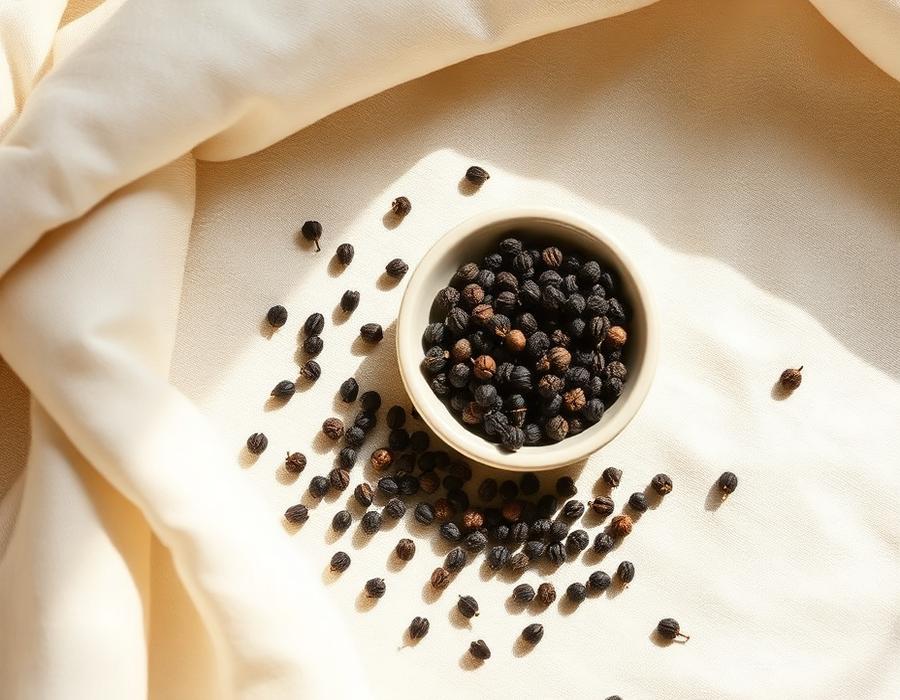
Known as the King of Spices and native to the Malabar Coast, black pepper contains piperine, a naturally occurring alkaloid studied for its influence on the absorption of certain nutrients and botanical compounds.

EvidenceEstablished human evidence
Part usedFruit (peppercorn)
OriginSouth-western India (Malabar Coast)
Nutmeg (Myristica fragrans Houtt.)
Myristicaceae family

Nutmeg

Myristica fragrans Houtt.

Botanical

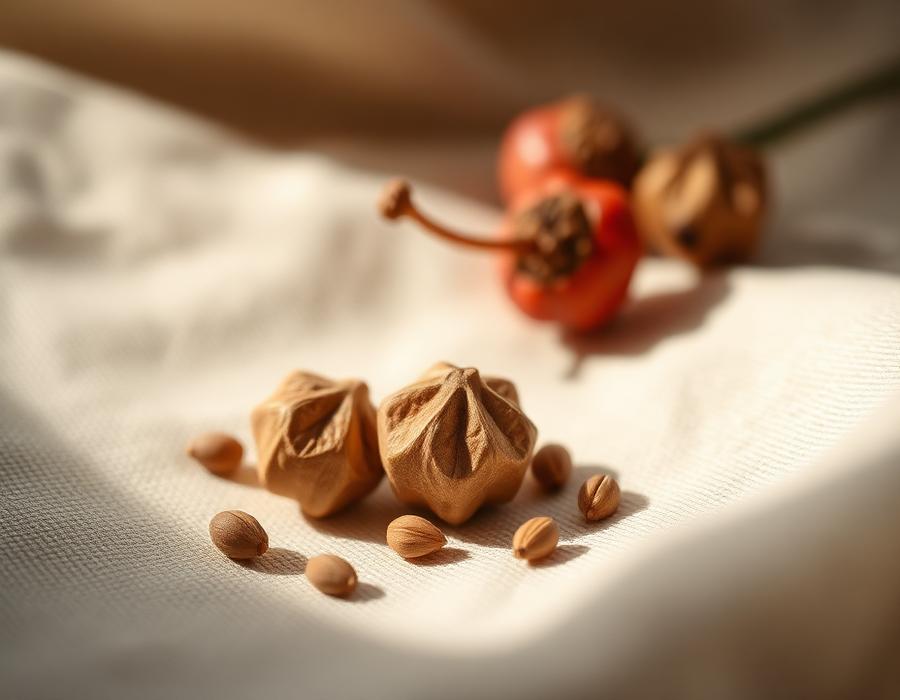
One of the world's most treasured botanical spices, native to Indonesia's Spice Islands and once valued alongside gold, long incorporated into traditional herbal practices across Asia, the Middle East and Europe.

EvidencePreclinical research
Part usedSeed
OriginMaluku Islands (Spice Islands), Indonesia

These statements have not been evaluated by the Food and Drug Administration. This product is not intended to diagnose, treat, cure, or prevent any disease.